

.png)

.png)






.png)

.png)


Roof Preservation
Protect, Maintain, and Extend the Life of the Roof You Have
Every roof has a service life — but that life is not fixed.
Sun exposure, moisture, temperature swings, biological growth, and time all contribute to roofing material deterioration. Roof preservation focuses on slowing that deterioration, helping qualifying roofing systems perform as intended for longer.
Preservation is not about avoiding replacement at all costs.
It’s about making informed decisions based on roof condition, material type, and realistic expectations — starting with an inspection.
What Is Roof Preservation?
Roof preservation is a category of maintenance, conditioning, and protective systems designed to extend the service life of roofing materials that are still structurally sound.
Depending on the roof type and condition, preservation may include:
-
Rejuvenation treatments for asphalt-based roofing materials
-
Re-oiling treatments for cedar shake and cedar shingle roofs
-
Protective coatings or paints for metal roofing systems
-
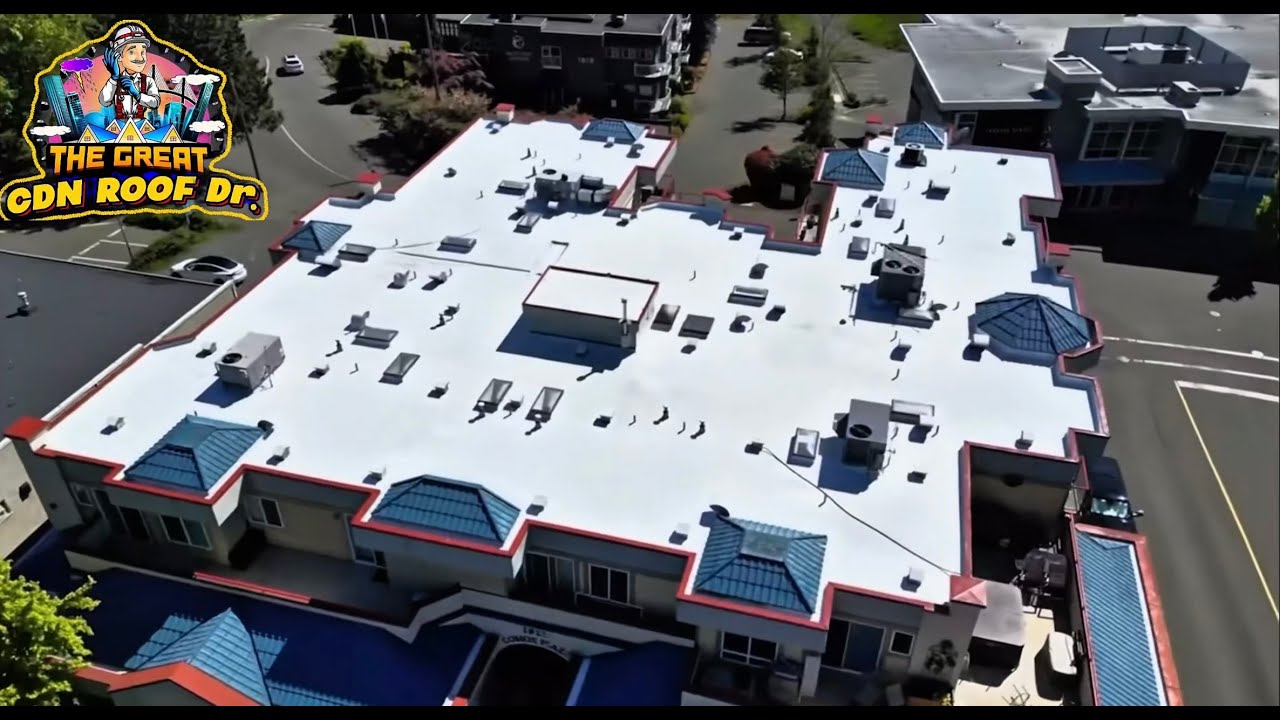
Silicone coating systems for qualifying torch-on and flat roofs
-
Plural-component polyaspartic systems for concrete tile roofs
-
Targeted repairs and preventative maintenance
Each method is selected based on material compatibility and roof condition, not one-size-fits-all solutions.
Preservation vs. Replacement
Roof replacement is sometimes the correct solution.
However, replacing a roof before it has reached the end of its serviceable life can involve unnecessary cost, disruption, and material waste.
Roof preservation may be appropriate when:
-
The roof is aging but remains structurally sound
-
Roofing materials can be protected from further deterioration
-
Surface treatments can improve durability or predictability
-
Repairs and maintenance can address localized issues
Preservation allows property owners to maximize the value of the roof they already have, without implying it will last indefinitely.
One Philosophy — Many Roof Types
Different roofing systems deteriorate in different ways.
That’s why roof preservation is an approach, not a single product. The goal is always to match the right preservation method to the right roofing material.
Examples include:
-
Asphalt shingles: Rejuvenation treatments that restore flexibility and slow premature aging
-
Cedar shake and shingles: Re-oiling treatments that replenish natural oils lost through weathering
-
Metal roofing: Protective coatings or paints to reduce oxidation and seal exposed fasteners
-
Torch-on and flat roofs: Maintenance treatments or silicone coating systems, depending on condition
-
Concrete tile roofs: Plural-component polyaspartic systems designed to protect tiles from moisture intrusion, surface erosion, and material breakdown
Each system has different benefits, limitations, and warranty structures, which are explained on the individual roof-type pages.
Why Inspection Comes First
Not every roof qualifies for preservation.
Before recommending any preservation system, we assess:
-
Structural integrity and material condition
-
Remaining service life
-
Waterproofing performance
-
Surface compatibility with preservation systems
-
Existing repairs, defects, or installation issues
If preservation is not appropriate, replacement may be the more responsible recommendation — and we’ll say so.
What Roof Preservation Is — and Is Not
Roof Preservation IS:
-
A proactive maintenance and protection strategy
-
A way to slow material aging and deterioration
-
A cost-effective alternative to premature replacement
-
Most effective when paired with inspections and repairs
Roof Preservation IS NOT:
-
A new roof
-
A structural repair
-
A universal leak-prevention system
-
A guarantee against future roof failures
Preservation manages risk — it does not eliminate it.
Understanding Warranties and Expectations
Preservation systems differ in what they protect and what they warrant.
-
Some systems focus on material preservation only
-
Some systems form new waterproof membranes and may include leak warranties
-
Some systems include limited warranties against material deterioration, but not against leaks
Understanding these differences is essential to making an informed decision and avoiding false expectations.
Learn How Preservation Applies to Your Roof
On the following pages, you can explore how roof preservation applies to your specific roof type — including:
-
Available preservation methods
-
Expected benefits and limitations
-
Warranty scope and exclusions
-
When preservation makes sense — and when it doesn’t
Understanding these differences is essential to making an informed decision and avoiding false expectations.
Start With the Roof You Have
The most sustainable roof is often the one that doesn’t need to be replaced yet.
.png)


.png)


